Integrated Approaches to Geotechnical Engineering: From Deep-Sea Energy Soils to AI-Driven Disaster Prevention
Abstract
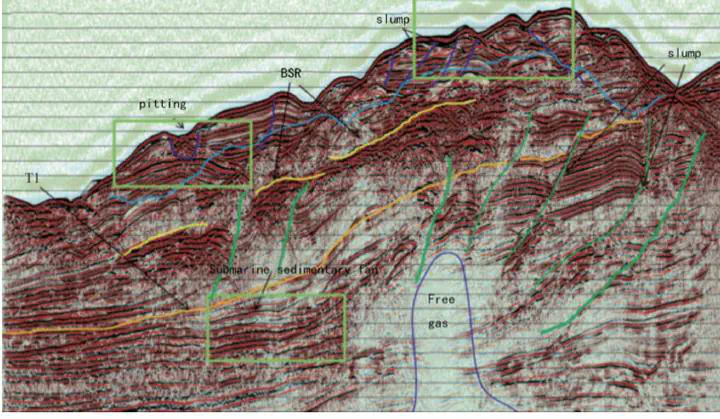
Geotechnical engineering faces diverse challenges, from resource extraction to disaster prevention. Addressing these requires a combination of traditional engineering methods and cutting-edge technologies. This proposal outlines a project that integrates fundamental research with applied solutions to tackle issues related to deep-sea energy soils, slope stability, and geological hazards, utilizing advanced AI techniques. -Objectives -Investigate the micromechanical properties of deep-sea energy soils to understand their behavior under various environmental conditions. -Develop robust risk assessment models for geotechnical applications such as natural gas hydrate extraction and submarine slope stability. -Apply AI-driven techniques, including deep learning and graph neural networks, to enhance predictive modeling and control of geotechnical hazards. -Integrate traditional geotechnical methods with AI technologies to create more accurate and reliable models for geological hazard prevention. -The proposed research will span over three years with a budget allocated for equipment, personnel, and field testing. A detailed budget breakdown and timeline will be provided upon request.
References:
- Li, W., Zhu, H., Jiang, M., Xu, J., & Hu, W. (2023). The stability of the submarine slope due to hydrate re-formation. Marine Georesources & Geotechnology, 41(12), 1334-1341. ref
- Xu, J., Zhu, H., Jiang, M., Li, W., Zhang, S., & Chang, X. (2023). Probabilistic stability analysis of small-angle marine slopes considering hydrate decomposition and seismic excitation. Marine Georesources & Geotechnology, 1-16. ref